On September 23, 2026, the Volvo Environment Prize Foundation announced that the 2026 Volvo Environment Prize was awarded to Fu Bojie, member of the Chinese Academy of Sciences (CAS), doctoral supervisor at the University of Chinese Academy of Sciences (UCAS), and researcher at the Research Center for Eco-Environmental Sciences, CAS. The award recognizes his pioneering contributions to social and ecological systems and sustainability science, and his outstanding ability to connect local ecological restoration with global sustainable development.
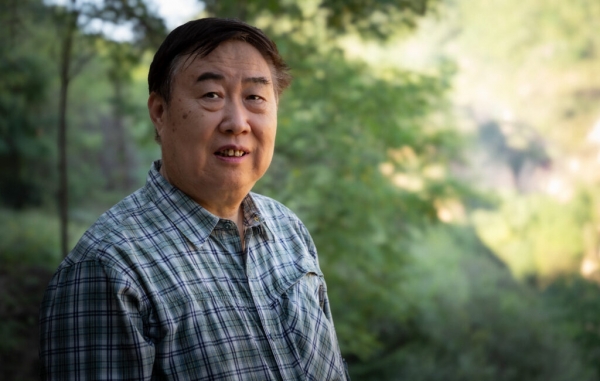
Professor Fu Bojie
For many years, Fu Bojie has devoted himself to integrated research in geography and landscape ecology and to applying research findings to ecological conservation and restoration. Through field observations and surveys, remote sensing, and model development, he developed an integrated analytical approach based on patterns, processes, services, and sustainability.
Across multiple spatial scales on the Loess Plateau, from land use types and hillslopes to small watersheds and the entire region, his research has examined interactions between land use structure and soil and water processes. It systematically revealed how land use patterns affect soil moisture, nutrient dynamics, and soil erosion.
He also developed methods for analyzing trade-offs among ecosystem services, revealing trade-offs between carbon sequestration and water provision during vegetation restoration and their spatial and temporal variations. He determined the threshold of water resource carrying capacity for vegetation restoration on the Loess Plateau.
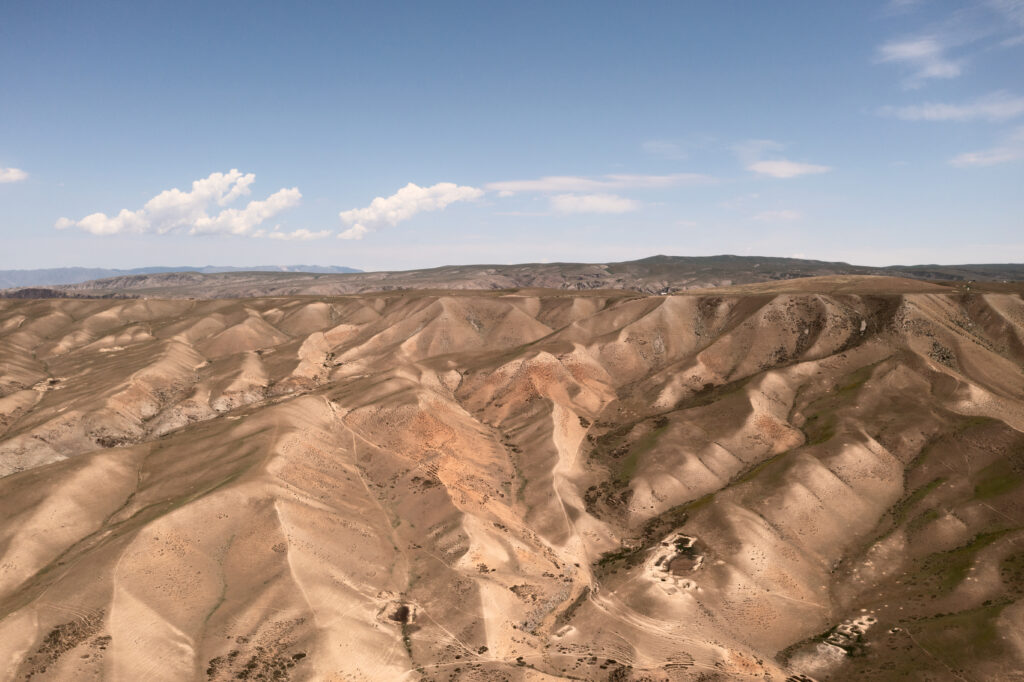
Much of Professor Fu’s influential research has been carried out on China’s Loess Plateau, a region historically affected by some of the world’s most severe soil erosion.
In addition, he developed a regional modeling system for assessing and optimizing ecosystem services and proposed land use allocation schemes for multiple objectives of ecosystem services. This work pioneered social and ecological restoration at the landscape scale and provided key scientific evidence for ecological conservation and restoration policies on the Loess Plateau, as well as for the implementation of the Grain for Green Program.
Fu Bojie has expanded his research on the restoration of degraded land, ecosystem services, and sustainable development from the Loess Plateau to arid regions worldwide. He initiated and led the Global Dryland Ecosystems International Mega-Science Program (Global-DEP), which was selected for the United Nations Decade of Science for Sustainable Development.
He proposed a classification framework for analyzing the complex relationships among the Sustainable Development Goals (SDGs), as well as a systems approach to achieving the SDGs in an integrated manner. His research has revealed patterns of synergy and trade-offs among different SDGs and their spatial and temporal variations. He has also promoted ecosystem restoration and sustainable management in China and across developing countries and regions worldwide, generating broad academic and social impact.
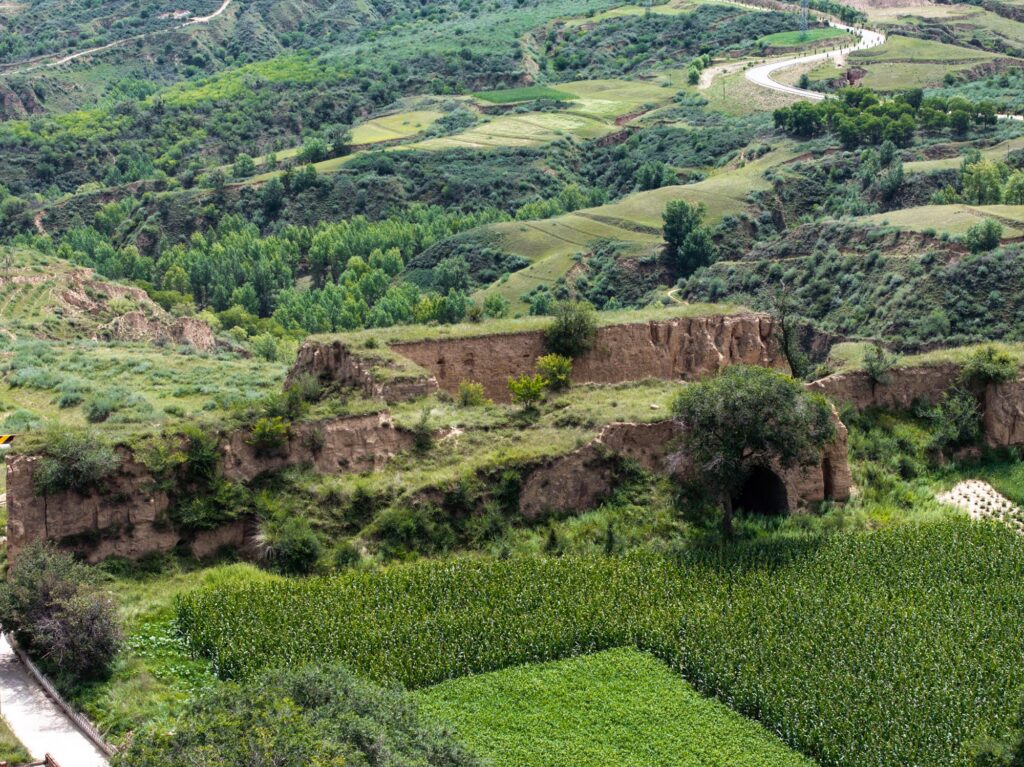
Major greening and restoration efforts on the Loess Plateau began in the 1990s, and ecological management continues today.
The Volvo Environment Prize Jury recognized Fu Bojie's pioneering contributions to social and ecological systems and sustainability science and his outstanding ability to connect local ecological restoration with global sustainable development. The jury particularly noted that his work on the Loess Plateau and in other arid regions has set an example for similar ecological restoration projects and policymaking in countries of the Global South. The jury also described him as a global pioneer in landscape scale social and ecological restoration, advancing scientific pathways for improving human well-being and contributing to the sustainable development agenda beyond 2030.
About the Prize
Established in 1988 with funding donated by the Volvo Group, the Volvo Environment Prize was first awarded in 1990. It is one of the most influential and prestigious awards in environmental science and sustainable development and has been described as the "Nobel Prize" of environmental science and sustainable development. The prize recognizes individuals who have made outstanding scientific discoveries and innovative contributions to the environment and sustainable development.
Source: www.environment-prize.com

